




D&D Background Spotlight: The Noble
Privilege, Power, and the Burden of Expectation

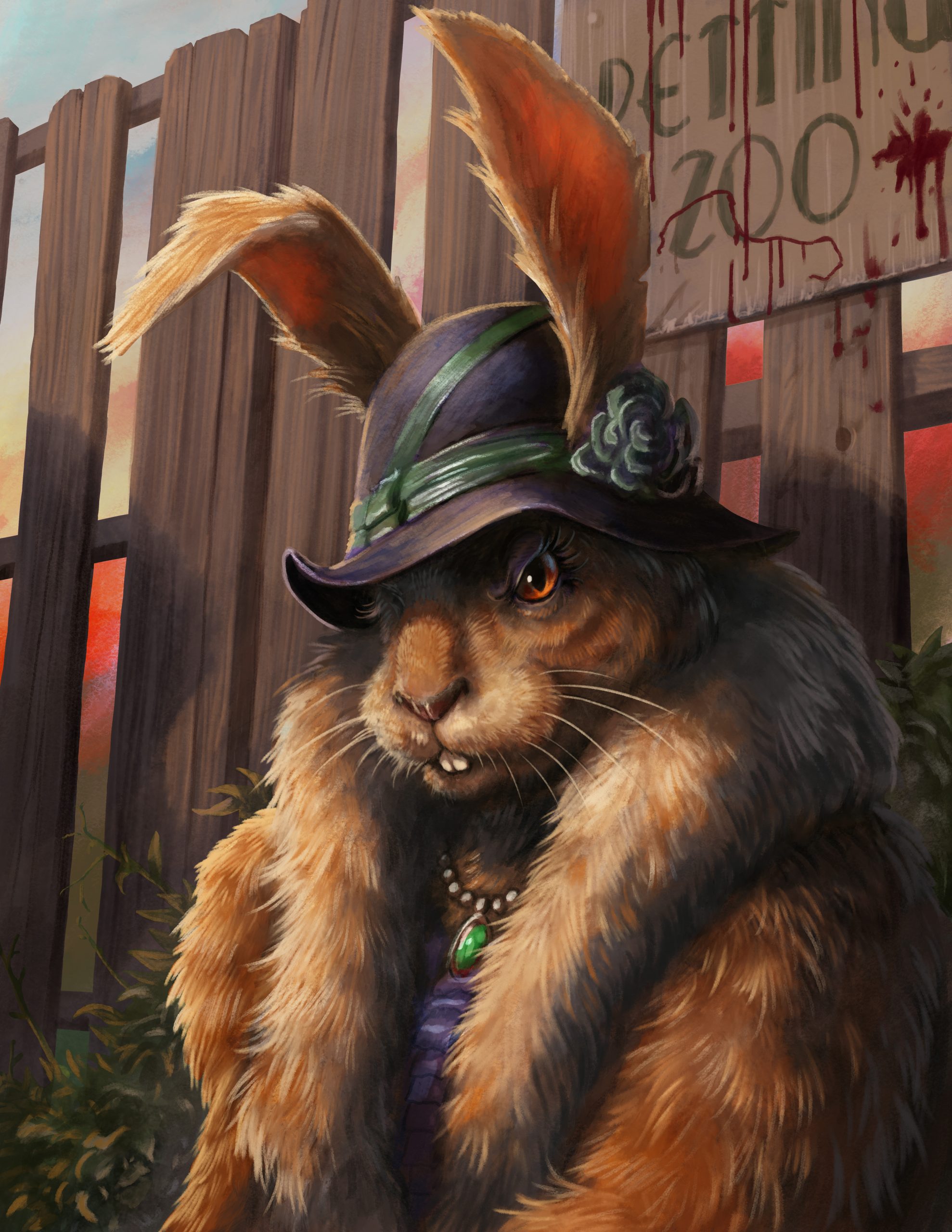
“Go forth my noble steed”!
The Noble background is about more than wealth or titles. Nobles are raised inside systems of power, tradition, and reputation. Every action reflects on a family name, a house, or a lineage that existed long before the character—and is expected to endure long after them.
For players, Nobles explore identity under pressure. For GMs, they provide instant political hooks, influential NPCs, and conflicts that ripple far beyond the party.
What Does It Mean to Be a Noble?
A Noble is someone who has never been just themselves. They represent something larger—often unwillingly. This could include:
-
A disgraced heir seeking redemption
-
A spare child never meant to inherit
-
A minor lord overshadowed by powerful relatives
-
A courtier trained in etiquette and manipulation
-
A noble who fled the responsibilities of rule
Nobles don’t simply act—they are observed.
Key Questions for Noble Characters
To deepen the character, ask:
-
What does my family expect of me?
-
What parts of my life were never truly mine?
-
Who benefits from my failure?
-
Would I choose this life if I could start over?
These questions turn status into story tension.
Roleplaying a Noble at the Table
Nobles thrive in social, political, and moral conflicts. They may:
-
Expect deference—or resent it
-
Understand etiquette instinctively
-
Feel out of place among common folk
-
Carry guilt over privilege they didn’t earn
Some Nobles wield power effortlessly. Others actively reject it, only to learn how hard it is to escape.
Noble Roleplaying Strengths & Weaknesses

Jareth the Goblin King Stealing Babies.
Optional d8 Tables
Roll once on each table or choose what best fits the noble’s upbringing.
Roleplaying Strengths (d8)
| d8 | Strength |
|---|---|
| 1 | Commanding presence |
| 2 | Political awareness |
| 3 | Access to wealth and resources |
| 4 | Educated and well-spoken |
| 5 | Trained in leadership |
| 6 | Recognizes power plays instantly |
| 7 | Strong sense of duty |
| 8 | Protected by family reputation |
Roleplaying Weaknesses (d8)
| d8 | Weakness |
|---|---|
| 1 | Entitlement or arrogance |
| 2 | Bound by family expectations |
| 3 | Target of political rivals |
| 4 | Sheltered upbringing |
| 5 | Scandal in the bloodline |
| 6 | Difficulty trusting sincerity |
| 7 | Resentment toward inherited power |
| 8 | Constant public scrutiny |
These weaknesses make courtly scenes crackle with tension.
Story Arcs for Noble Characters
Nobles naturally generate high-impact plotlines.
1. The Family Summons
The Noble is called home to deal with a crisis only they can resolve.
GM Twist: The crisis is a setup.
2. Marriage as Weapon
A proposed alliance marriage threatens to strip the Noble of agency.
GM Twist: Refusal destabilizes a region.
3. Inheritance Dispute

A death triggers a bitter struggle over succession.
GM Twist: The Noble’s legitimacy is questioned.
4. The Mask Slips
A family secret becomes public knowledge.
GM Twist: The Noble must decide whether to protect the name—or expose the truth.
5. The Cost of Rule
The Noble is offered real authority—for a price.
GM Twist: Exercising it hurts people they care about.
Using Nobles as a GM
Nobles let GMs:
-
Introduce politics without railroading
-
Tie local events to national consequences
-
Create non-combat threats that matter
-
Make reputation a tangible mechanic
A single dinner party can carry as much tension as a dragon’s lair.
Final Thoughts
The Noble background is about inherited power—and the responsibility that comes with it. It asks a difficult question:
If power is handed to you… what will you do with it?
Handled well, Nobles elevate campaigns from adventure to intrigue and turn personal choices into historical moments.
Thanks for reading, Until Next Time, Stay Nerdy!!



No Comments